

7th–8th Grade
Dialectic School
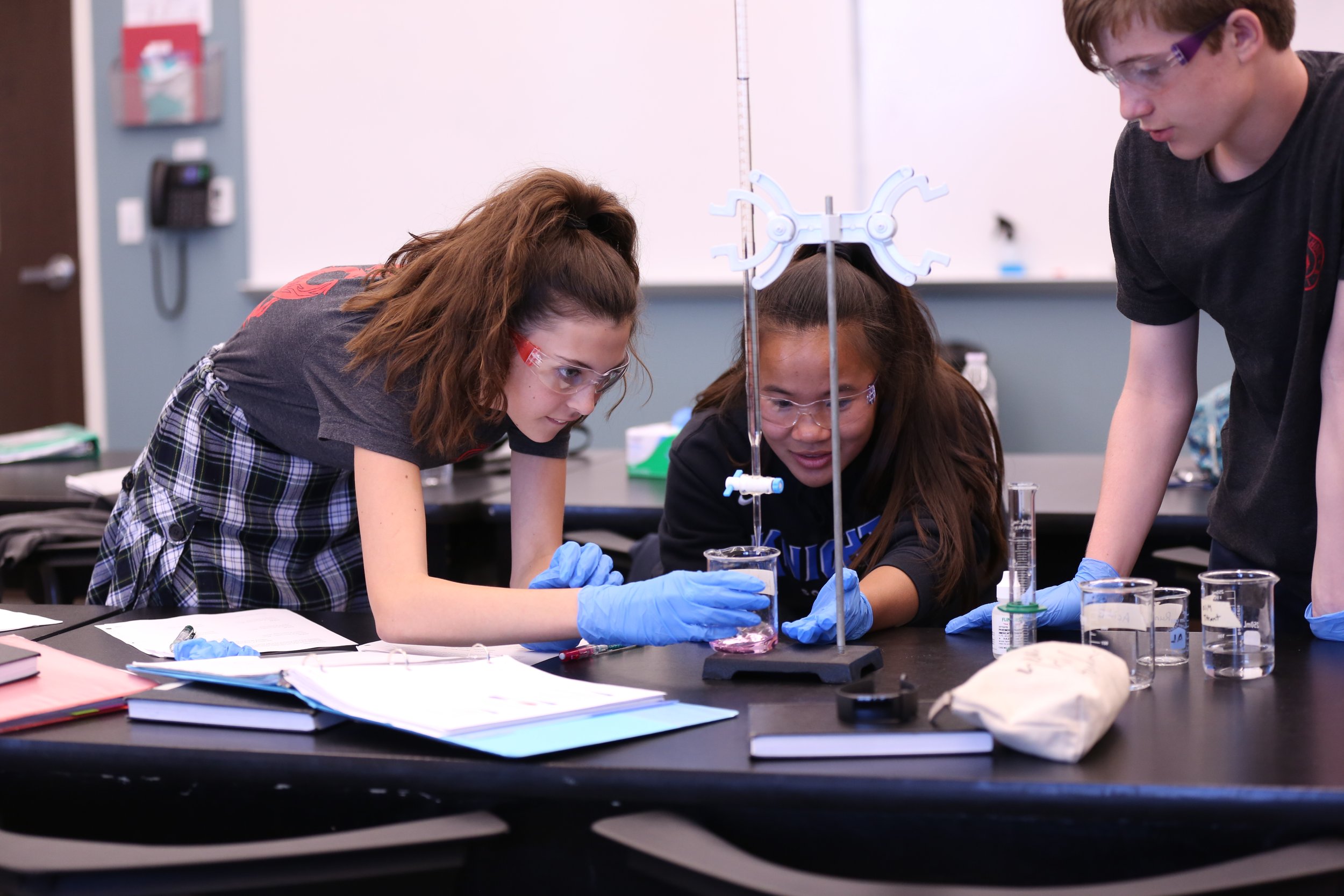
The liberal art of dialectic is the skill of thinking. It is the skill of reasoning, questioning, and arguing in a way that intentionally recognizes grammatical and logical rules and honestly seeks what is true.
From the Head of School
"All education is teleological. Teleology is the study of the purpose and/or end goal of a thing. So to say that all education is teleological is simply to say that there is an ultimate purpose for education. That purpose: the glory of God, the joy of mankind, and the renewal of all things!"
All Students Are Thinkers.
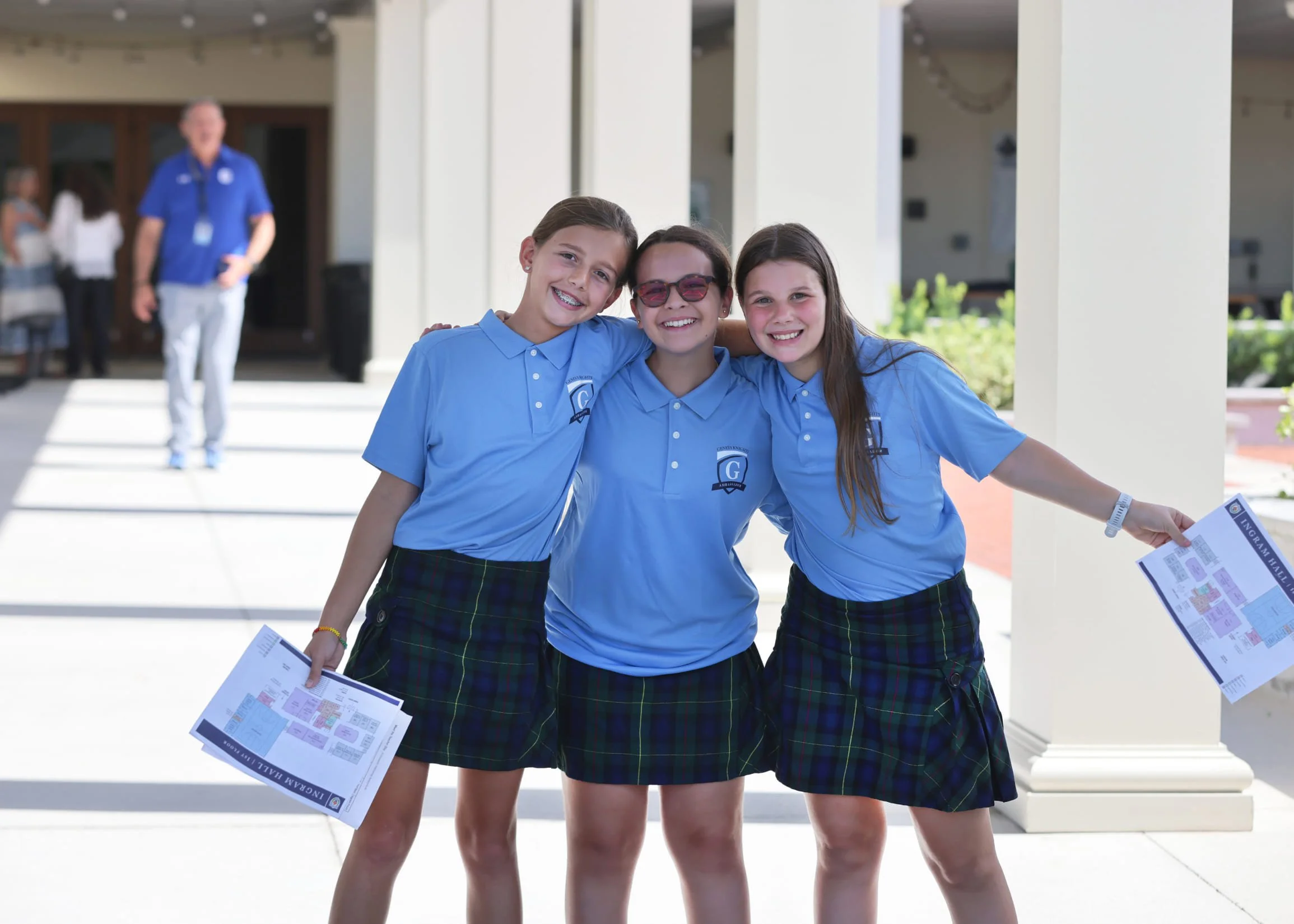
From the time children can speak, they express a desire to know.
Filled with wonder, they are inquisitive and like to ask “Why?” As students approach their teens, this inquisitiveness becomes more pronounced. They realize that not all reasons are equally reasonable. They want verification, demonstration, and justification that a suggestion or explanation is correct. They begin to enjoy arguing. While this intellectual attribute can manifest itself as an irritation or even as disrespect, it is part of maturing and needs to be nourished.
Dialectic Culture
-

1
Dialectic Covenant
Dialectic students and faculty begin each year with commitments to each other and to God.
-

2
Overnight Trips
Overnight trips in 7th and 8th grades help students grow in their appreciation of God and his creation.
-

20+
Outside the Classroom
Special events and athletics throughout the year help students succeed and engage in their studies.
-
![Outline drawing of children holding hands, standing on a textured ground.]()
1
Dialectic Covenant
Dialectic students and faculty begin each year with commitments to each other and to God.
-
![Group of people gathered in an indoor setting, some standing, some sitting, with a large banner or shield on the wall behind them, and a person speaking into a microphone in the foreground.]()
2
Overnight Trips
Overnight trips in 7th and 8th grades help students grow in their appreciation of God and his creation.
-
![A sketch of a person on stairs overlooking a lake with boats, surrounded by mountains.]()
20+
Outside the Classroom
Special events and athletics throughout the year help students succeed and engage in their studies.
Dialectic Covenant
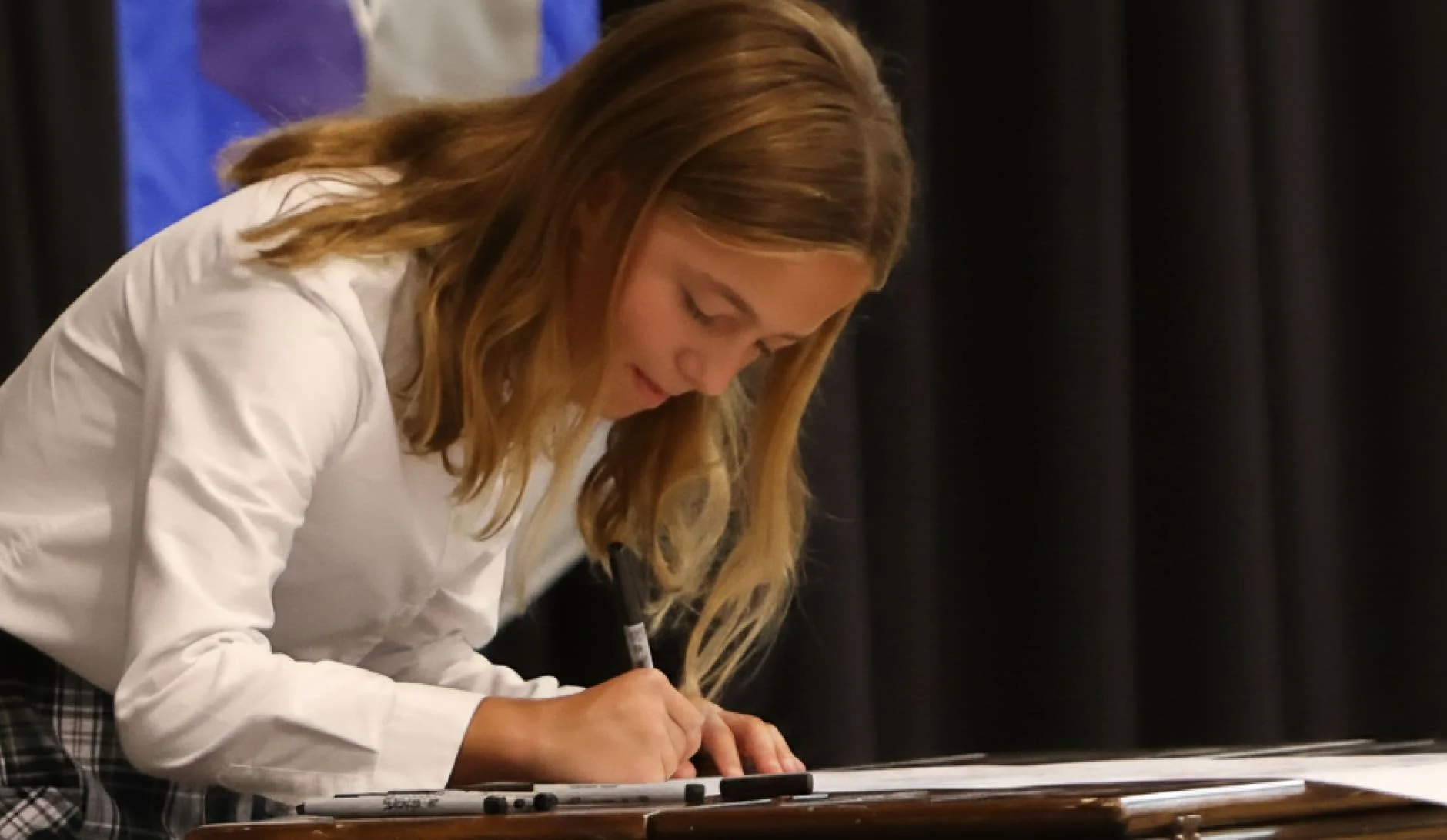
Teachers and students in dialectic school (7th and 8th grades) begin each year by entering into what we call the Dialectic Covenant.
In essence, this covenant is a binding agreement between faculty members and students. All faculty and students sign the covenant at the start of each school year, and it is put on display in every classroom as a reminder throughout the year.
-
As faculty members of the dialectic school, we are committed to living and modeling faithful lives of Christian discipleship for our students. Paideia will serve as the foundation of faculty/student relationships as we seek to develop our students’ hearts, minds, and bodies to love God and love one another.
Our classroom instruction will view all truth as God’s truth and part of a divinely ordered whole. We desire not only to prepare our students for rhetoric school, but more importantly, we seek to awaken students’ wonder for God, his Word, and his creation, as we help them reorient their loves toward the Good, the True, and the Beautiful.
As students of the dialectic school, we affirm that we are young men and young women created in the Image of God. We also understand that our identity rests in Christ, and we have been called to cultivate excellence and virtue. Therefore, we will strive to do our school work with honesty, integrity, and to the best of our abilities, knowing that we are called to be good stewards of the gifts and talents given to us by God.
We submit to the authority of our teachers, knowing that they have been called to help prepare us academically, spiritually, socially, and behaviorally to serve Christ and his kingdom.
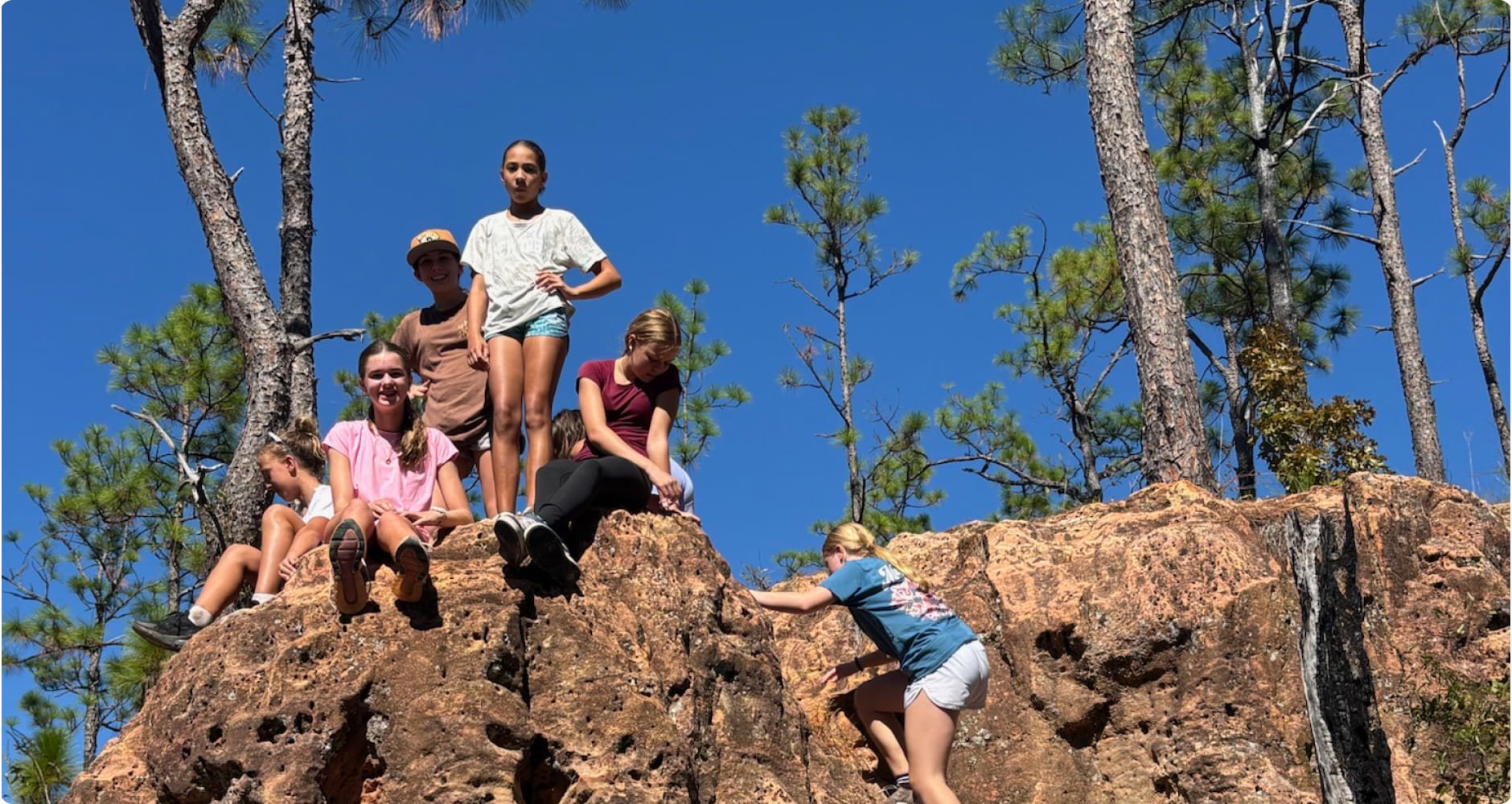
Dialectic Trips
When students see, hear, touch, taste, and smell the world around them, they truly experience what it is that they are studying; this experience contributes substantively to their learning.
-
Each fall, Geneva 7th graders pack up their bags and sleeping bags and head up to North Florida for a week. They stay at a retreat center and explore Torreya State Park, St. Andrews State Park, and Florida Caverns State Park, and canoe down the Chipola River. During the week, we talk about change—how we change, how the elements change the environment, how some things change very slowly (caves), and how some things change relatively quickly (sand dunes and beach erosion). We acknowledge that, although change is happening all around us, God never changes.
-
Each spring, Geneva 8th graders head to the Gainesville area for a week to explore the ecosystems and wildlife of North Central Florida. Adventures include a guided glass-bottom boat tour and kayaking excursion at Silver Springs State Park; a ropes/zipline course and wildlife rescue center at Camp Kulaqua; hikes in O’Leno State Park, River Rise State Park, Paynes Prairie Preserve State Park, and Devil’s Millhopper Geological State Park; and tubing down the Ichetucknee River. Each night students take part in group devotions and worship, night hikes, stargazing, and group games. This trip serves as a capstone event to their dialectic education, and some of the planned experiences help prepare them to be servant leaders in the rhetoric school the following year.
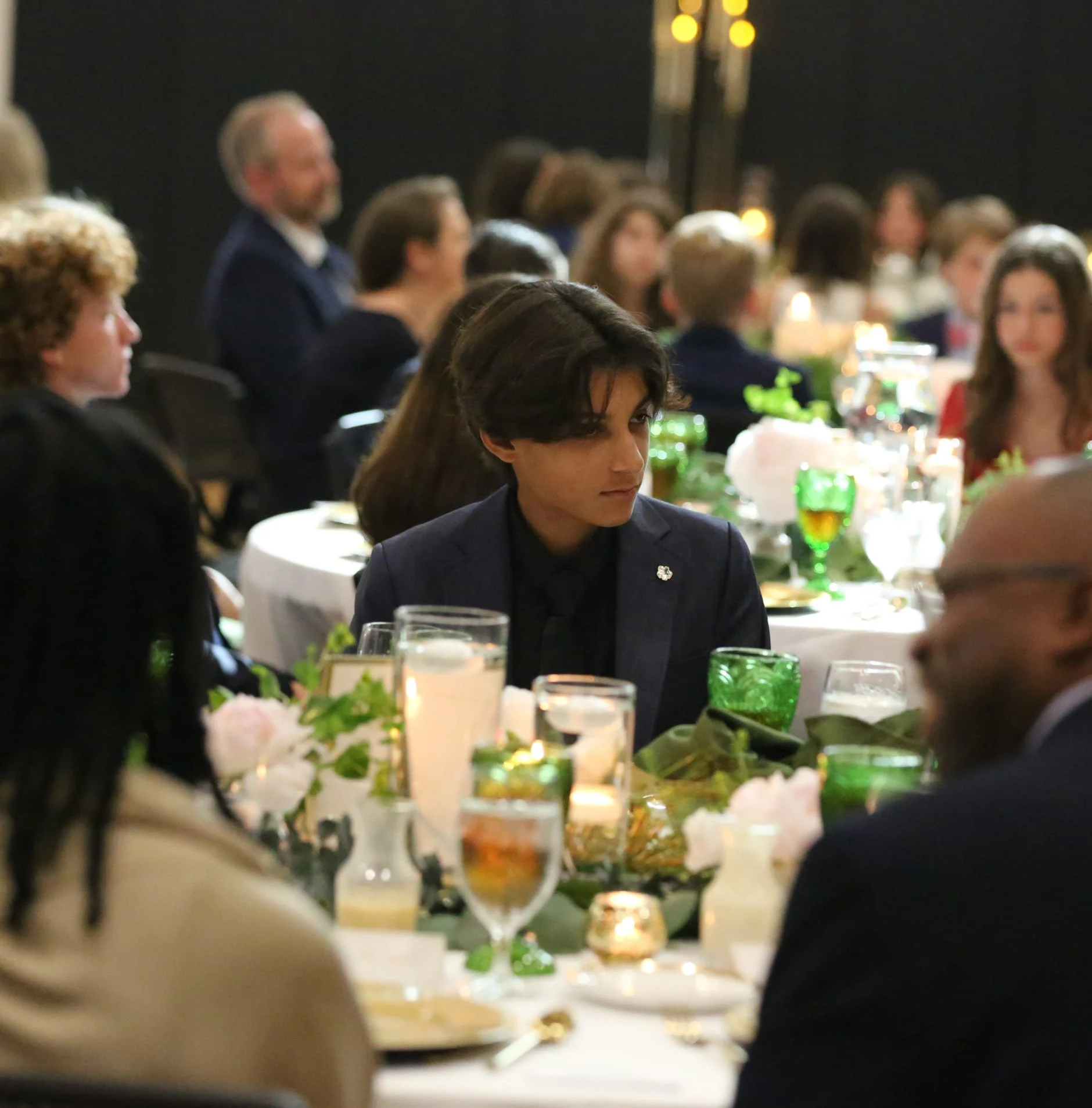
Outside the Classroom
Events throughout the year help students succeed and engage in their studies.
-
Chapels: Students and faculty gather weekly for chapel. This time includes student-led music, testimonies, liturgical elements, and a scriptural message. The purpose of chapel is threefold: to worship our God, to build our faith, and nurture our community.
Special Events: Fun and celebratory events are planned each year, including traditions like the Pancake Breakfast and silly Christmas sweater competition, Reformation Day Celebration, and Pi(e) Day Celebration.
Dialectic Workshops: Throughout the school year, we set aside time to gather our 7th and 8th graders to discuss, teach, and practice skills related to study, homework, organization and planning, and conflict resolution.
-
Training in etiquette and dance and the culminating event prepare students to be able to focus on relationships because they know how to behave and how others should behave in grown-up situations. Our training in etiquette includes weekly classes in the spring on skills related to manners (including table manners, proper introductions, and handshakes) as well as how to carry oneself with confidence and converse appropriately. The training concludes with a dinner and dance in which the etiquette and ballroom dance lessons are put into practice.
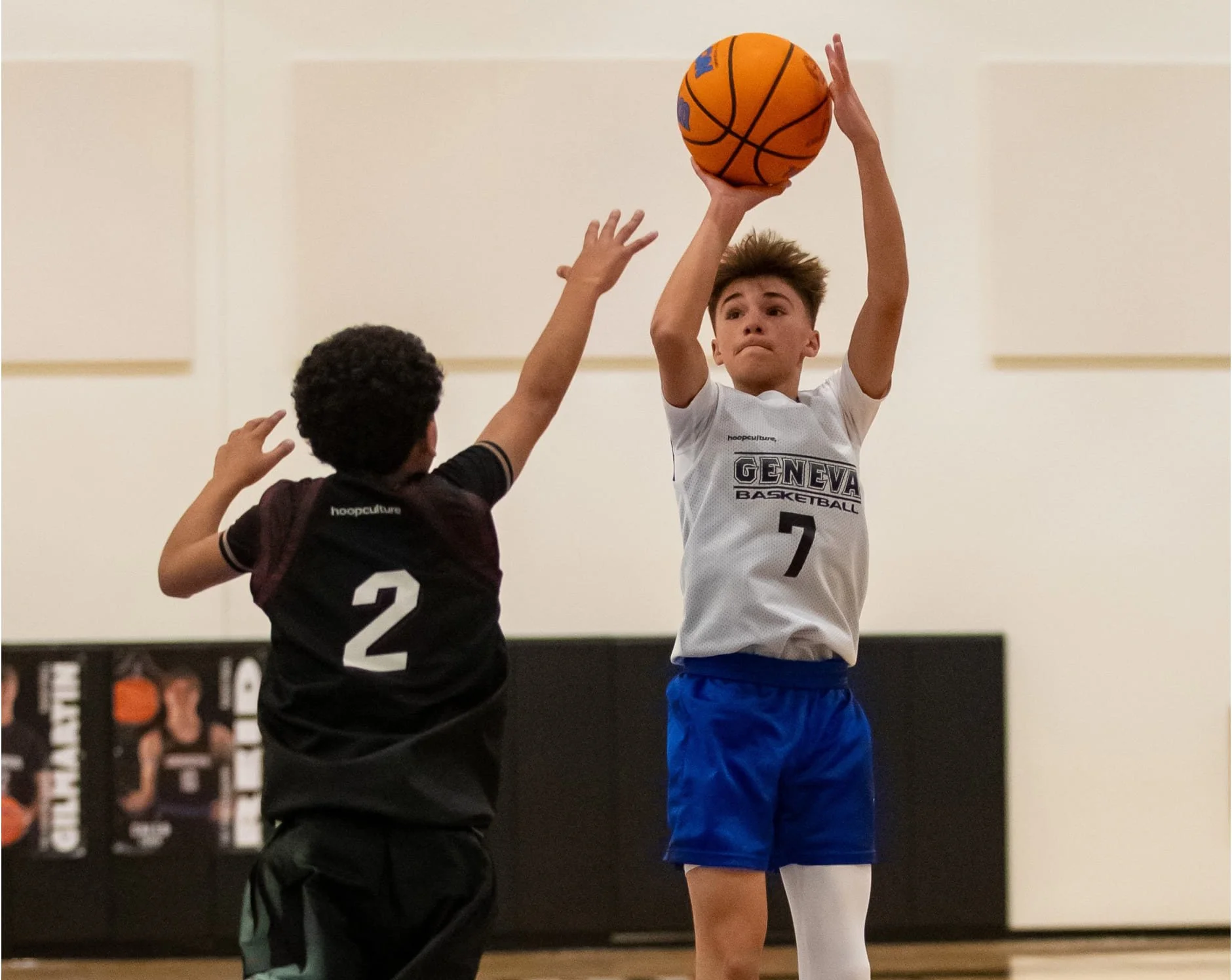
Athletics
All dialectic students have the opportunity to participate in sports at Geneva.
Geneva athletes are challenged to practice and play with purpose (to honor God in effort and attitude), with delight (to excel with their God-given abilities), and with respect (towards opponents, teammates, coaches, and officials). Our goal is to manifest Christlikeness, even in the midst of intense competition, as representatives of Geneva, the church, and family.
We endeavor to provide the best and broadest athletic experience possible for our students. Growing in our faith and honoring God remains the primary goals of all those associated with Geneva athletics, but we always compete to win—indeed, we dishonor ourselves and our opponents if we do any less. And competing to win is evident in the success of our athletic programs and student athletes.
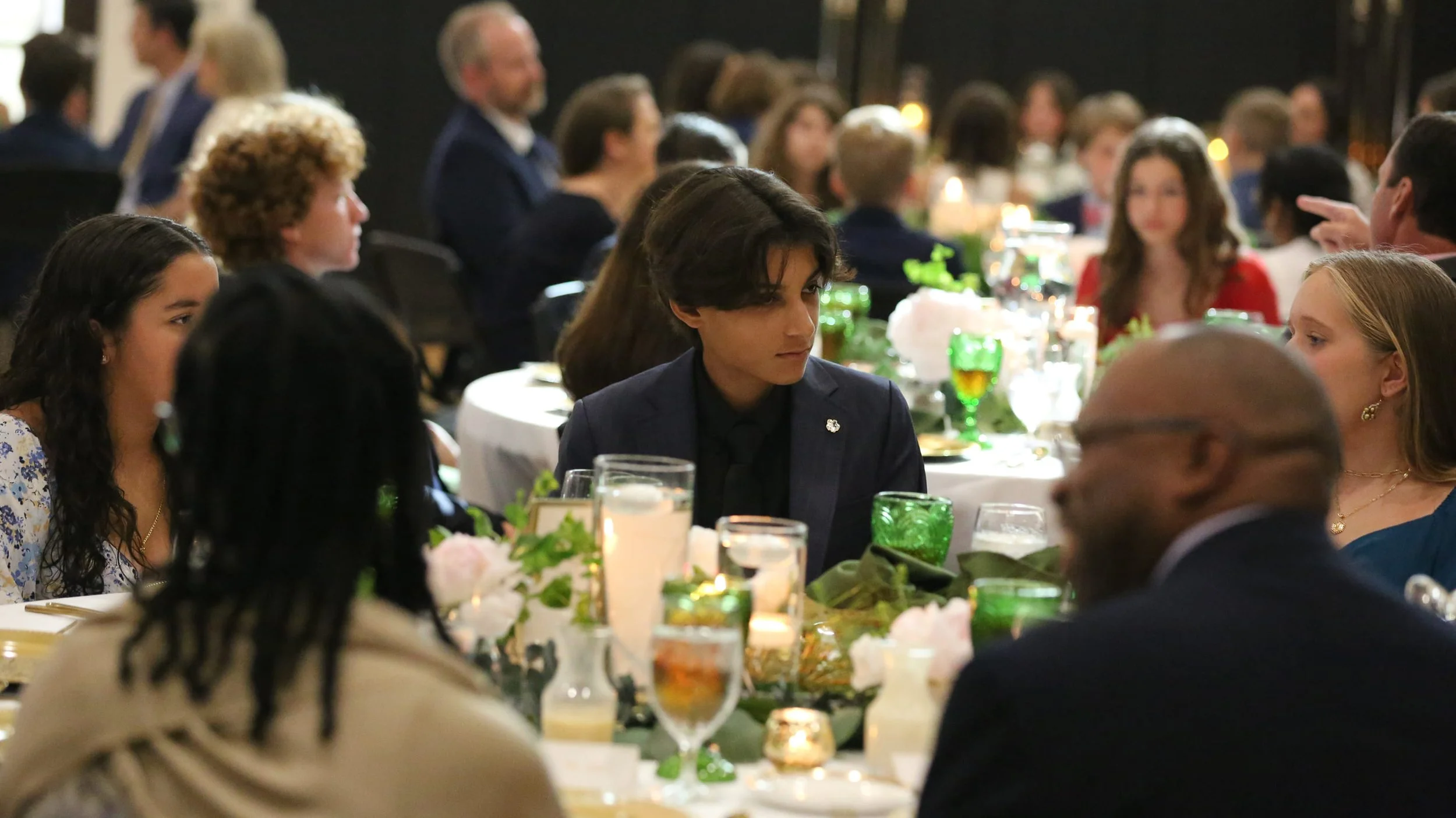

We are obligated as parents and educators to “train a child in the way he should go.” We fulfill this in part by providing our students with the tools necessary to successfully navigate social and professional situations.
Our training in etiquette, manners, respect, and public speaking as well as in how to carry oneself with confidence equips our students with the skills and mindset that will serve them wherever they find God taking them.
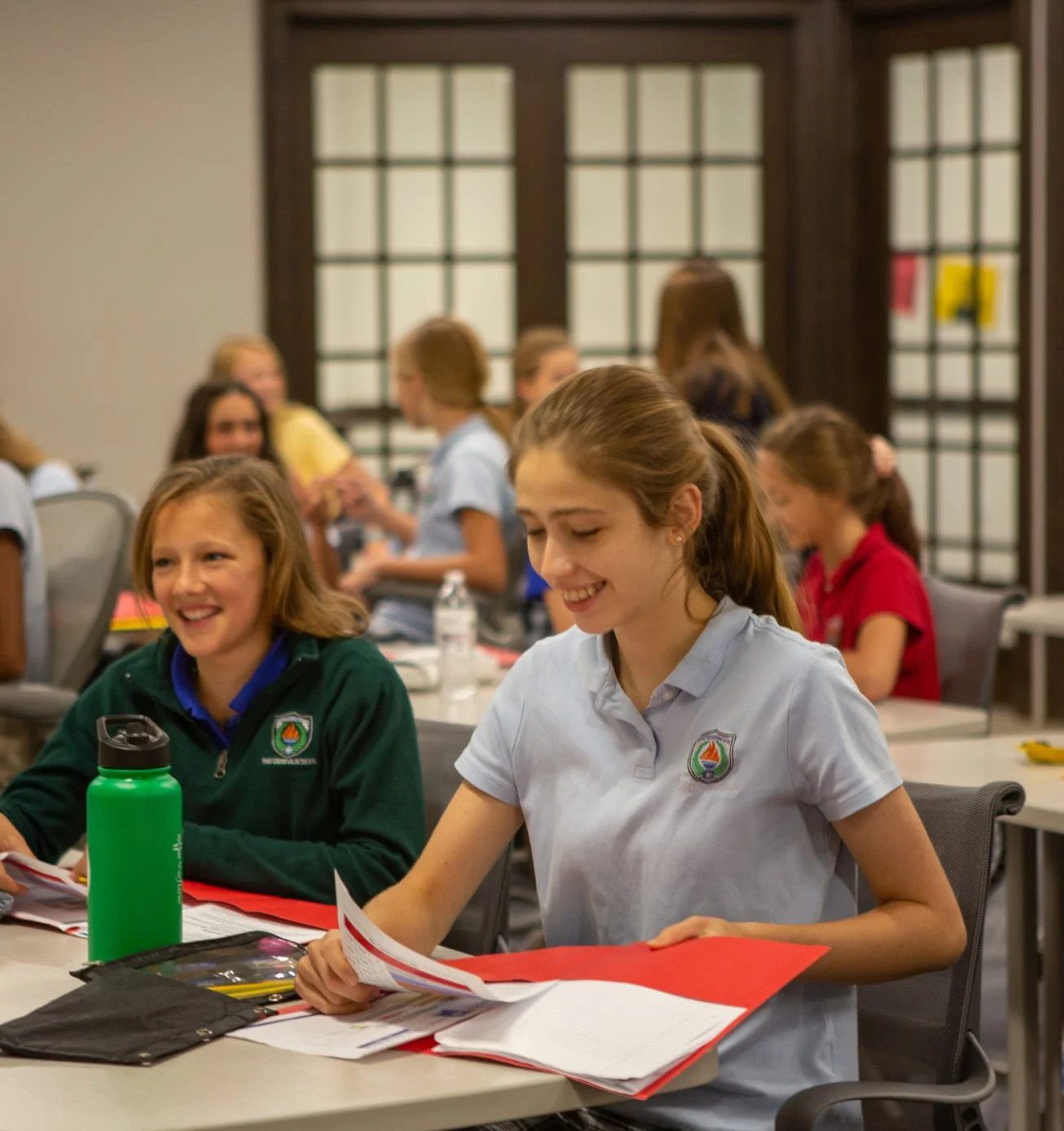
How Dialectic Students Practice Thinking
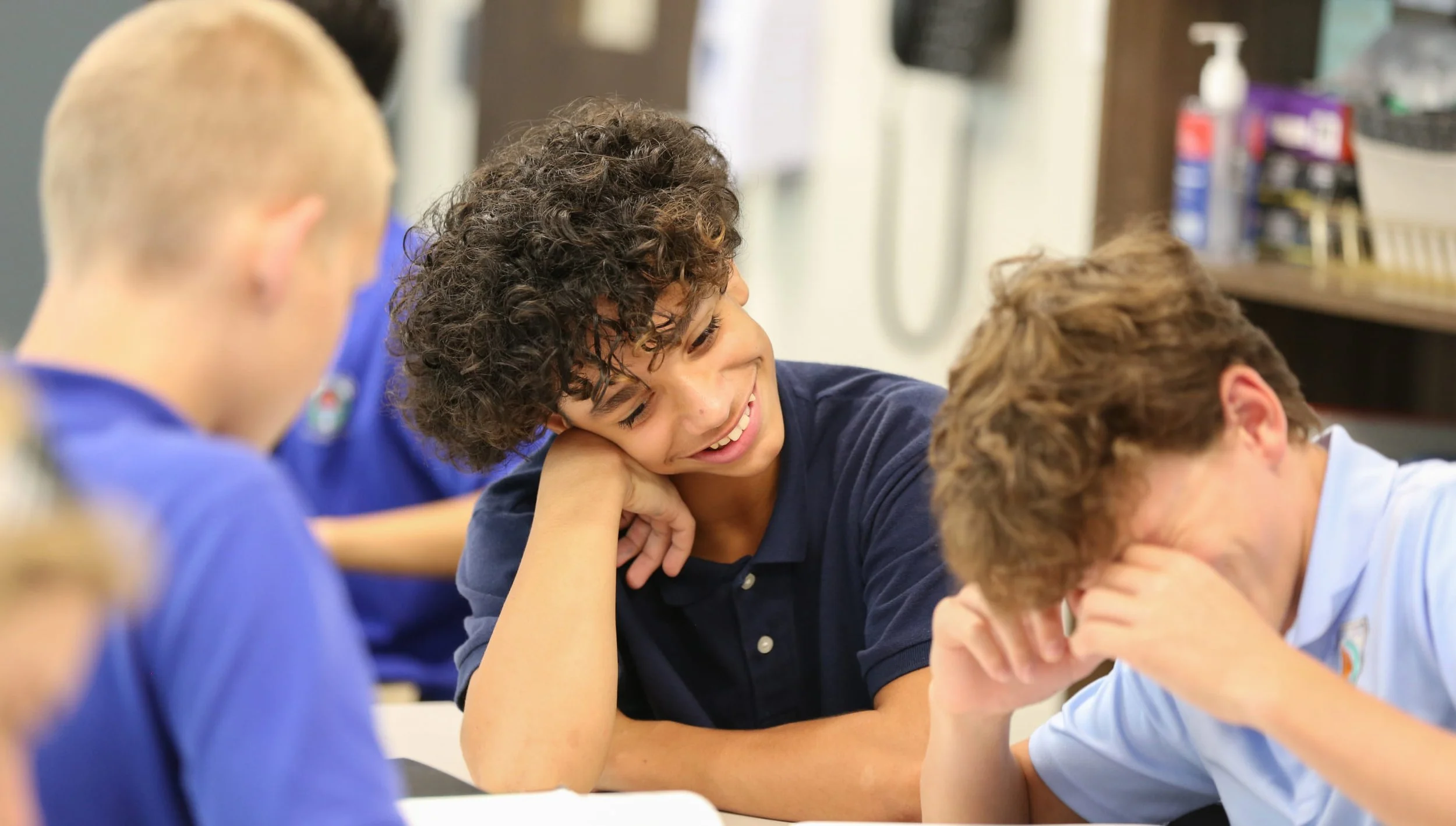
In the dialectic school (7th and 8th grades), one of our chief aims is to nourish our students’ minds by training them to identify arguments and distinguish those that are sound from those that are not.
One way of accomplishing this is to give them formal training in logic, teaching them how to discern fallacies and how to construct valid arguments.
Throughout our dialectic school curriculum, we use a method of teaching and learning that trains students to ask and to follow questions. This method is commonly called “Socratic,” named for one of the earliest philosophers, Socrates, who used questions both to learn and to instruct. We want our students to habituate asking and following questions that can identify assumptions and underlying beliefs in order to gain deeper understanding. Therefore, students are encouraged to debate and challenge one another using the Socratic skills they are learning in an energetic yet kind and respectful manner.
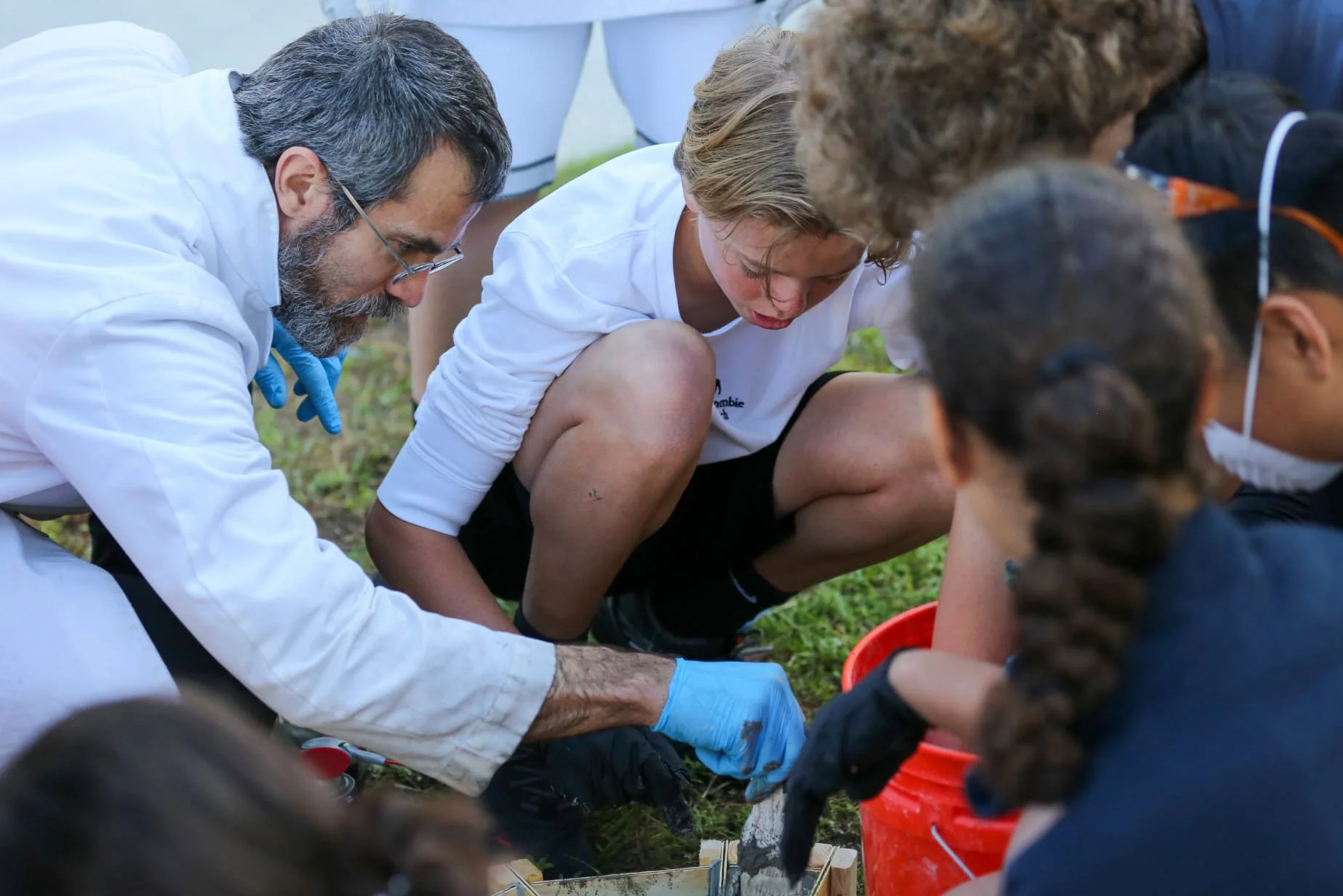
Clear Reasoning
Too often, it is the case with 7th and 8th grade instruction that it is focused on delivering information but does not instruct in how to question.
Students may learn facts and collect data from this approach, but they will not learn how to find and understand the arguments that give meaning to those facts. It does not take long for teenage students to become cynical with this type of education, and rightfully so, as it stunts their intellectual maturity.
Outcomes of the Dialectic Years
Given our commitment to and confession of Christian orthodoxy, the content of what we teach is Christ-centered.
It is common for 7th and 8th graders to begin having questions concerning God and what it means to have personal faith. In the dialectic school, we focus on training students to find and follow questions and arguments so that their minds can be properly sharpened and renewed and their hearts drawn toward those things that are true and meaningful. Ultimately, this means training our students how to find and follow Christ, the true source of understanding and the answer to our deepest questions.
Disciplined Reasoning
Students learn to evaluate arguments and think with logical precision.
Clear Argumentation
Students gain confidence in articulating and defending their ideas.
Intellectual Confidence
Students are no longer passive learners but active thinkers.
Christ-Centered Discernment
Students are trained to seek truth within a biblical worldview.
-

Grammar
K4–6th Grade
-
Dialectic
7th–8th Grade
-
Rhetoric
9th–12th Grade
The Trivium
Geneva’s Christian Classical Education Model
Dialectic School Curriculum
This skill of asking and following questions is prevalent in our courses in dialectic school. Students interact with teachers who model Socratic instruction and engage in assignments that require that they find and follow the most significant questions of the discipline.
Ready to learn more?
We look forward to hosting you for a tour.