
9th–12th Grade
Rhetoric School
Building on a foundation of training in the skills of grammar and dialectic, our students in the rhetoric school are taught according to a purposefully designed curriculum by stellar teachers and are being prepared for a lifetime of learning and serving in God’s kingdom.
From the Head of School
"All education is teleological. Teleology is the study of the purpose and/or end goal of a thing. So to say that all education is teleological is simply to say that there is an ultimate purpose for education. That purpose: the glory of God, the joy of mankind, and the renewal of all things!"
Finding the Best Means of Persuasion
At The Geneva School, 9th–12th grade is referred to as the rhetoric school because, during these years, the liberal art of rhetoric is the most emphasized form among the liberal arts.
Training in rhetoric builds on a foundation of grammar (language and how it works) and within a scaffolding of logic (arguments and how they are properly formed) in order to equip students to express their ideas and beliefs clearly, beautifully, and convincingly.
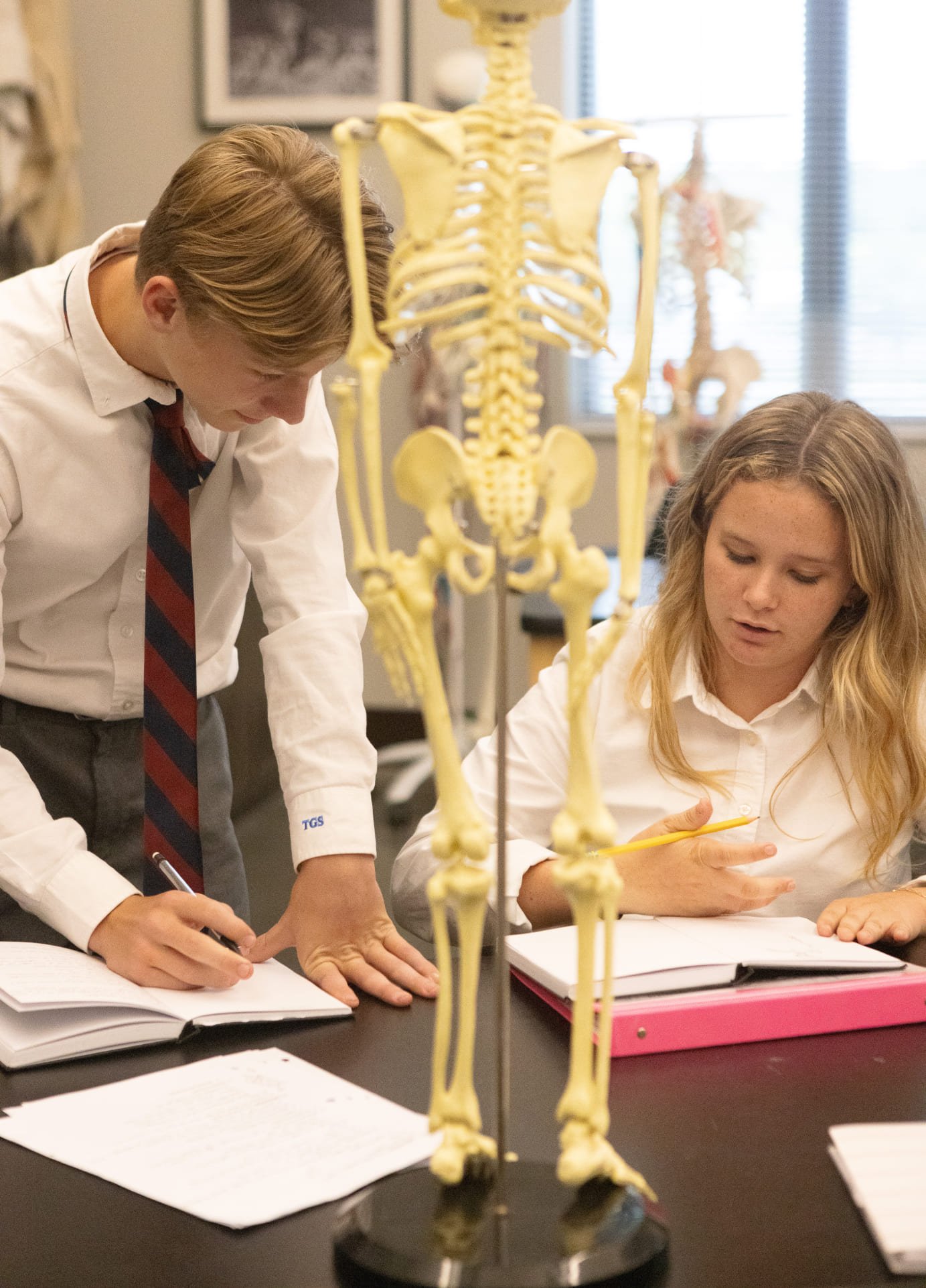
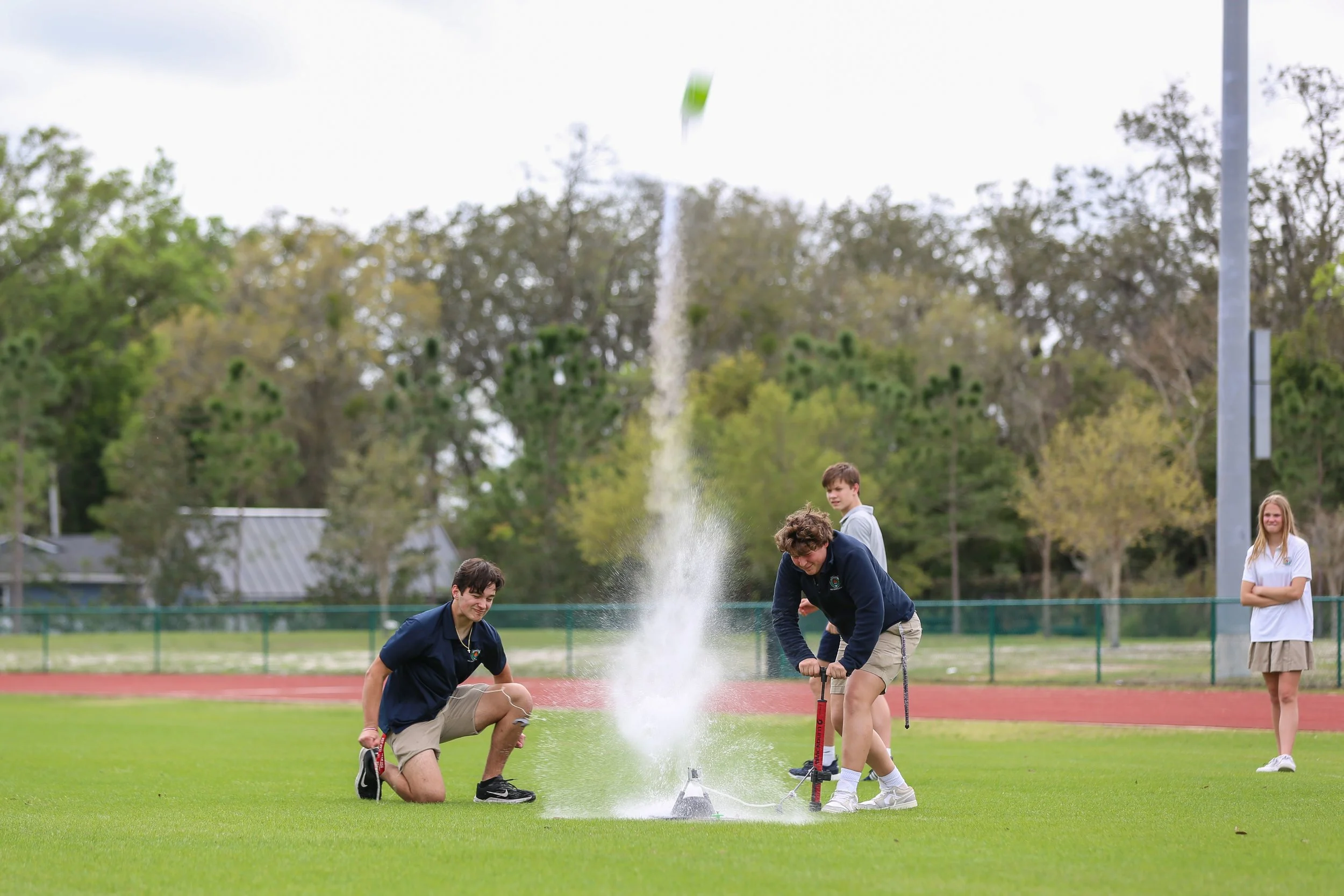
As a fundamental skill of speaking and writing, rhetoric is taught, practiced, and refined within and throughout every subject and class. Rhetoric is also taught using other modes of communication, including visual imagery in art, photography, and graphic design; aural performances in choir, band, and orchestra; and physical expression in drama, athletics, and scientific experiments. Rhetoric is the skill of finding the best means to lead others toward what is true, good, and beautiful.
Speech, whether written or spoken, is never neutral but comes from and leads to a particular situation, desire, or vantage point. Therefore, the speaker has a responsibility to use his or her words to instruct, move, and delight others in ways that are truthful and ethical. More specifically, given our confession of Christian orthodoxy, we believe that Christ himself is the standard of these transcendent ideas and that our speech should be rooted in, governed by, and pointing toward him.
Rhetoric Culture
-

1
Honor Code
The honor code serves as a foundational statement for the kind of culture we seek in our rhetoric school.
-

36+
Outside the Classroom
Geneva seeks to expand the student experience by offering a wide array of cocurricular activities (clubs and athletics).
-

5+
Travel
Rhetoric students have many opportunities throughout the year to continue their education away from campus.
-

12+
Traditions and Events
Geneva's numerous traditions and events provide students with experiences that complement and enhance the school's Christian classical education.
-
![Outline drawing of people holding hands during a religious or spiritual ceremony.]()
1
Honor Code
The honor code serves as a foundational statement for the kind of culture we seek in our rhetoric school.
-
![Line art illustration of a group of people in a room, with some holding microphones and others engaged in conversation, and a banner with a knight's helmet symbol hanging on the wall.]()
36+
Outside the Classroom
Geneva seeks to expand the student experience by offering a wide array of cocurricular activities (clubs and athletics).
-
![Line drawing of a person standing on a dock, looking out over a lake with boats, surrounded by mountains.]()
5+
Travel
Rhetoric students have many opportunities throughout the year to continue their education away from campus.
-
![A hand holding a trophy with red, white, and blue ribbons attached, on a stand, in front of a white background.]()
12+
Traditions and Events
Geneva's numerous traditions and events provide students with experiences that complement and enhance the school's Christian classical education.
Honor Code
The honor code serves as a foundational statement for the kind of culture we seek in our rhetoric school.
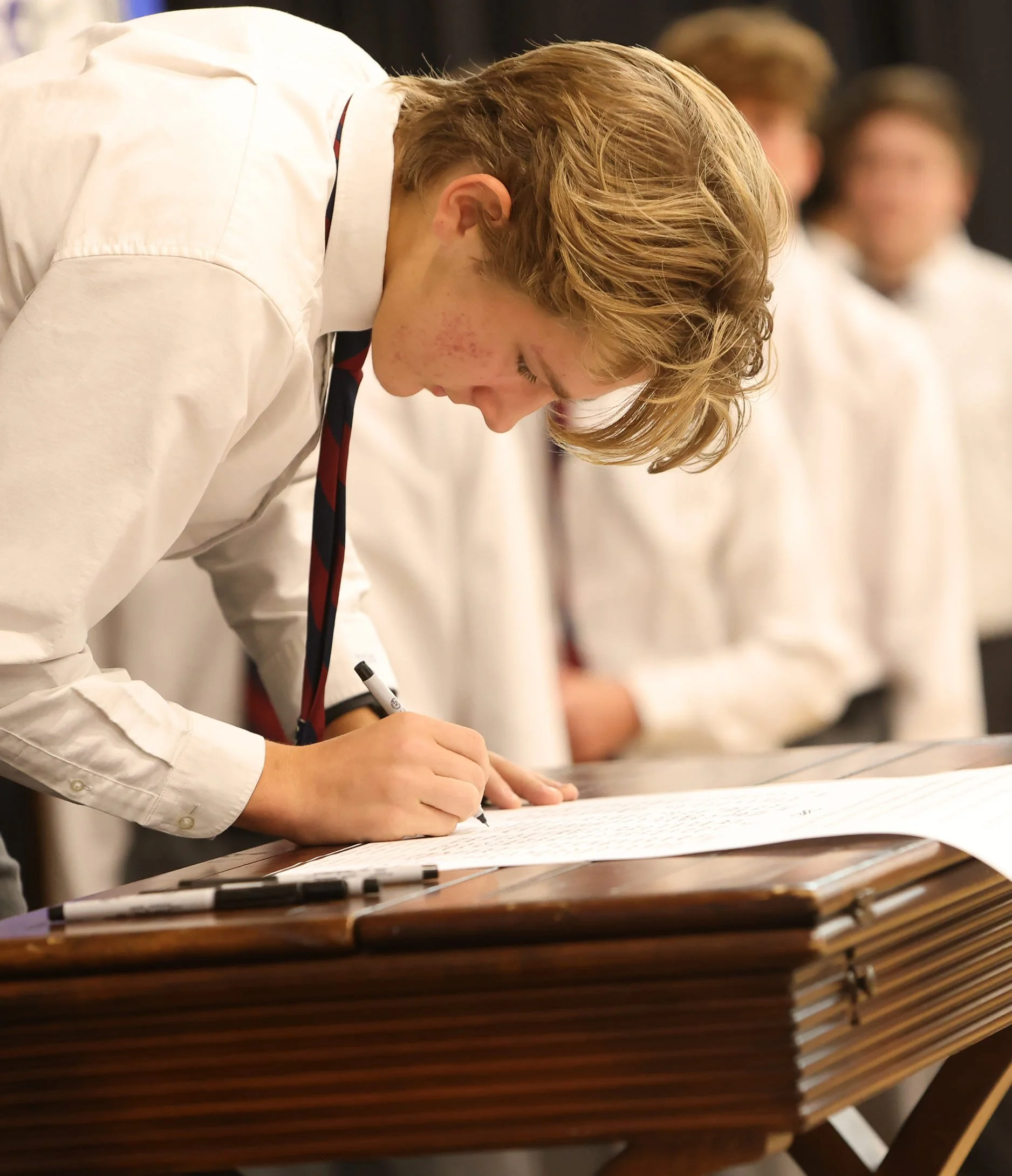
The Geneva’s rhetoric school students operate under an honor code system. Students recite and review the honor code throughout the school year, and it serves as a foundational statement for disciplinary discussions and actions. Like all honor codes, this statement is lofty and something to which, it is hoped, students will aspire, knowing they will not do so perfectly.
Out of the threefold desire to honor God, respect my school, and value my classmates,
I pledge, as a student at The Geneva School, to strive to do my best in all things.
I promise to abide by all school policies. I will not lie, cheat, or steal, nor tolerate classmates who do. In confirmation of my pledge to you and my accountability before the Lord Jesus Christ, I profess that in all of my school work, my name affirms my honor; in all of my dealings, my word is my bond.
Rhetoric school students sign the Honor Code Pledge at the beginning of the school year and this signed pledge is displayed in the upper school building. By signing the code, students are not declaring that they will be perfect, but rather that they count the school and what they do here important enough to be held to these standards.
Clubs and Organizations
Geneva seeks to expand the student experience by offering a wide array of clubs.
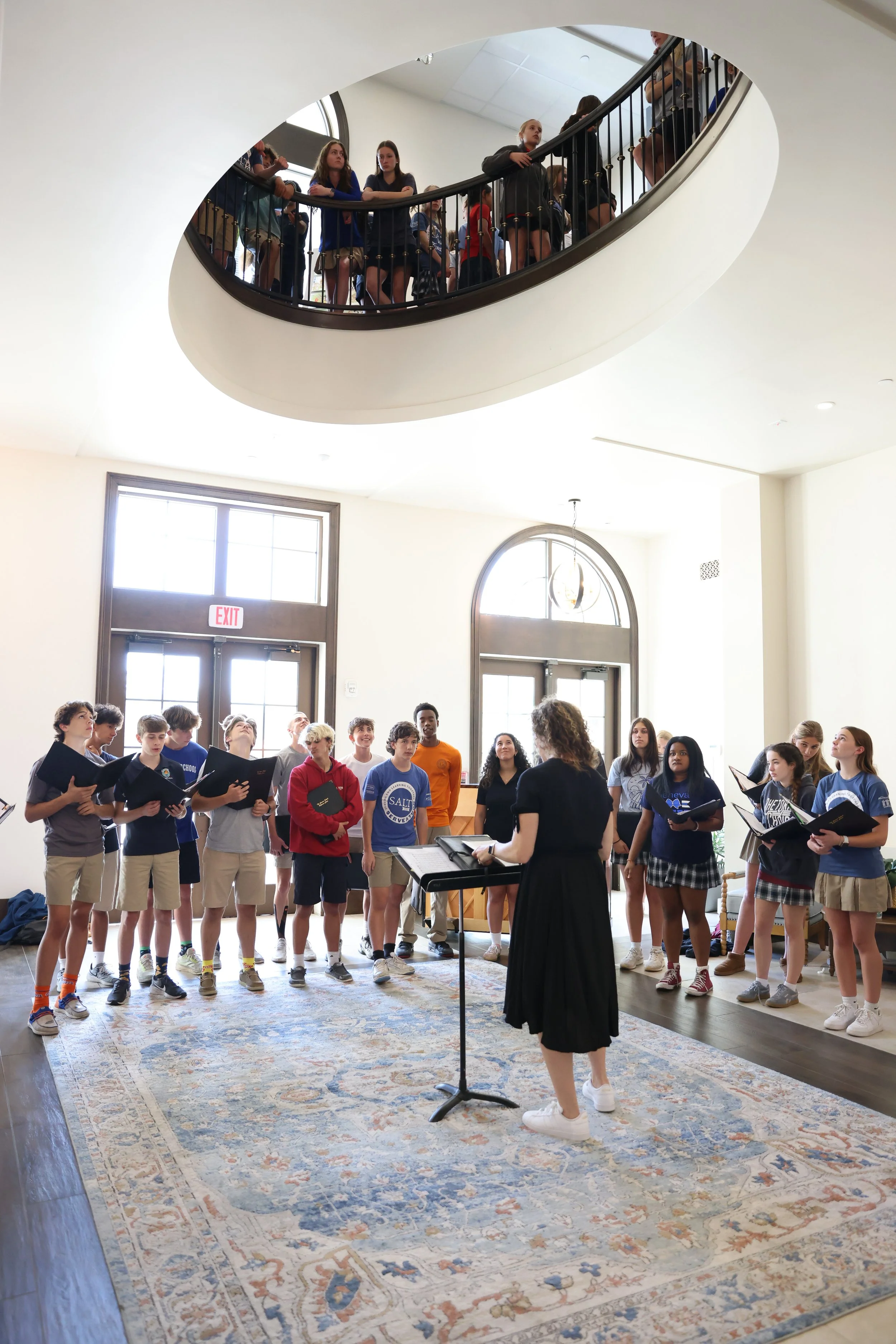
Geneva offers a wide variety of cocurricular clubs and organizations that provide opportunities for growth in academics, the arts, and more. Students are encouraged to develop new gifts and interests through these various clubs and organizations. The current list includes Strategy and Board Games Club, Pep Club, Merely Players Drama Troupe, Student Senate, Fellowship of Christian Athletes, Student Astronaut Challenge, Biblical Justice Club, Writers Guild, Imago Dei Club, Women of Faith, Spanish Club, Men of the Word, Archimedean Society (math club), Songwriting Club, Orchestra Ensembles, and National Honor Society.
Travel
Rhetoric students have many opportunities throughout the year to continue their education away from campus.
-
The senior boot camp is an annual gathering of seniors right before the school year begins for an overnight stay at a retreat center in Central Florida. Over the course of a couple of days, seniors and staff members discuss the coming school year and what the students can expect regarding the annual Rhetoric Retreat, college applications and admission, Capstone Thesis, Senior Trip, and baccalaureate and graduation. Each senior class is challenged to lead the rhetoric school well in the coming year.
-
Rhetoric students at The Geneva School begin the school year by packing their swimsuits, gym clothes, and sleeping bags for one last bit of summer fun at Southwind Young Life Camp in Ocklawaha, Florida. The retreat is a lot of fun for the students and TGS faculty and staff who accompany them, while also accomplishing some very important goals. The retreat is designed to encourage old and new friendships, foster Christ-centered community, and prepare the students for a great school year. These are accomplished through free time, family-style meals, multi-grade house competitions, and challenging and thought-provoking messages.
Activities at the rhetoric retreat include Wiffle ball, Frisbee golf, swimming and going down a giant water slide, volleyball, basketball, ping-pong, air hockey, foosball, canoeing, and more. Because of the goals of the retreat, there is some structure, but it is not an “academic” camp experience. Rather, the focus is relational. Students enjoy a few plenary sessions and also a significant amount of recreational time with the chaperoning teachers and staff.
-
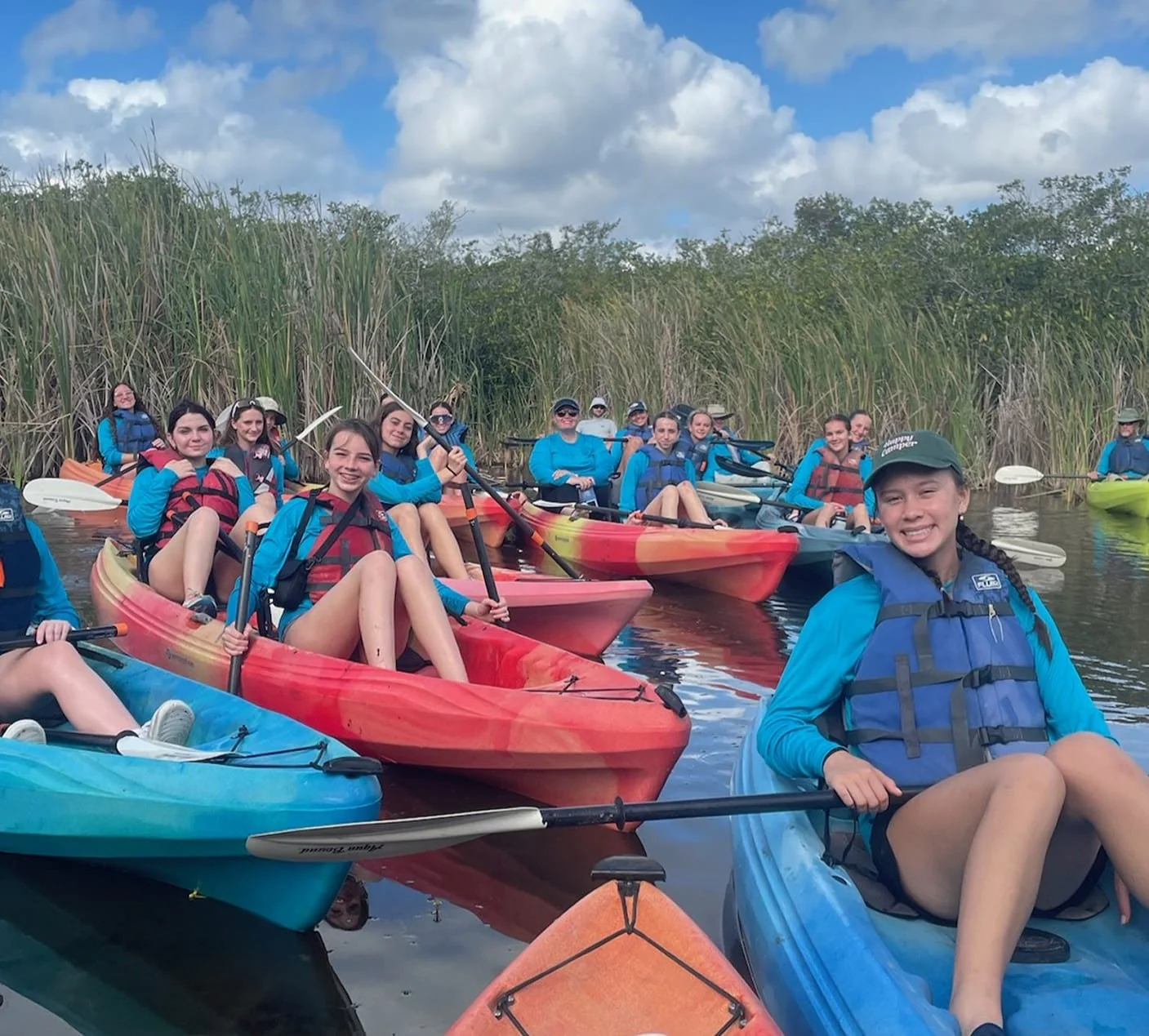
Each spring, the 9th graders head down to Everglades National Park for a week of tent camping on the bay under the stars while exploring the unique ecosystems and wildlife of South Florida. The Everglades, sometimes called the “River of Grass,” is the only ecosystem of its kind in America and includes the largest mangrove ecosystem in the Western Hemisphere. Students get to see in person what they have studied in their biology classes. The trip adventures include alligator and crocodile spotting; bird watching; hiking through tropical hardwood forests, sawgrass, and hammocks; canoeing through mangroves; and snorkeling along the coral reef at Key Largo. At the campsite, they cook together, have devotions, and sing around the campfire while stargazing.
-
Each year, seniors, along with a few faculty and staff, go on a North Carolina adventure that takes place between the last AP exam and before baccalaureate and graduation. The group stays in a retreat center near Hendersonville. Activities include hiking, swimming, waterfalls, bonfires, and a choice between whitewater rafting on the Chattooga River or a visit to the Biltmore Estate. It’s a wonderful way for students to end their Geneva journey!
-
The biannual optional trip to Greece and Italy provides students the chance to explore treasures of the ancient world from both a biblical and classical perspective. The trip begins in Greece where students see the places and structures where Western civilization began. They will also follow the footsteps of Paul as he traveled through Greece carrying the gospel message. In Rome, the second half of the tour begins with an orientation to Italy and an examination of Paul’s letter to the Romans. In Rome and Florence, the group visits sites such as the Colosseum, Palatine Hill, the ancient Roman Forum, Peter’s Basilica, Michelangelo’s David, and much more.

Athletes
Geneva offers all students, from K4 through 12th grade, the opportunity to participate in athletics, emphasizing purpose, delight, and respect.
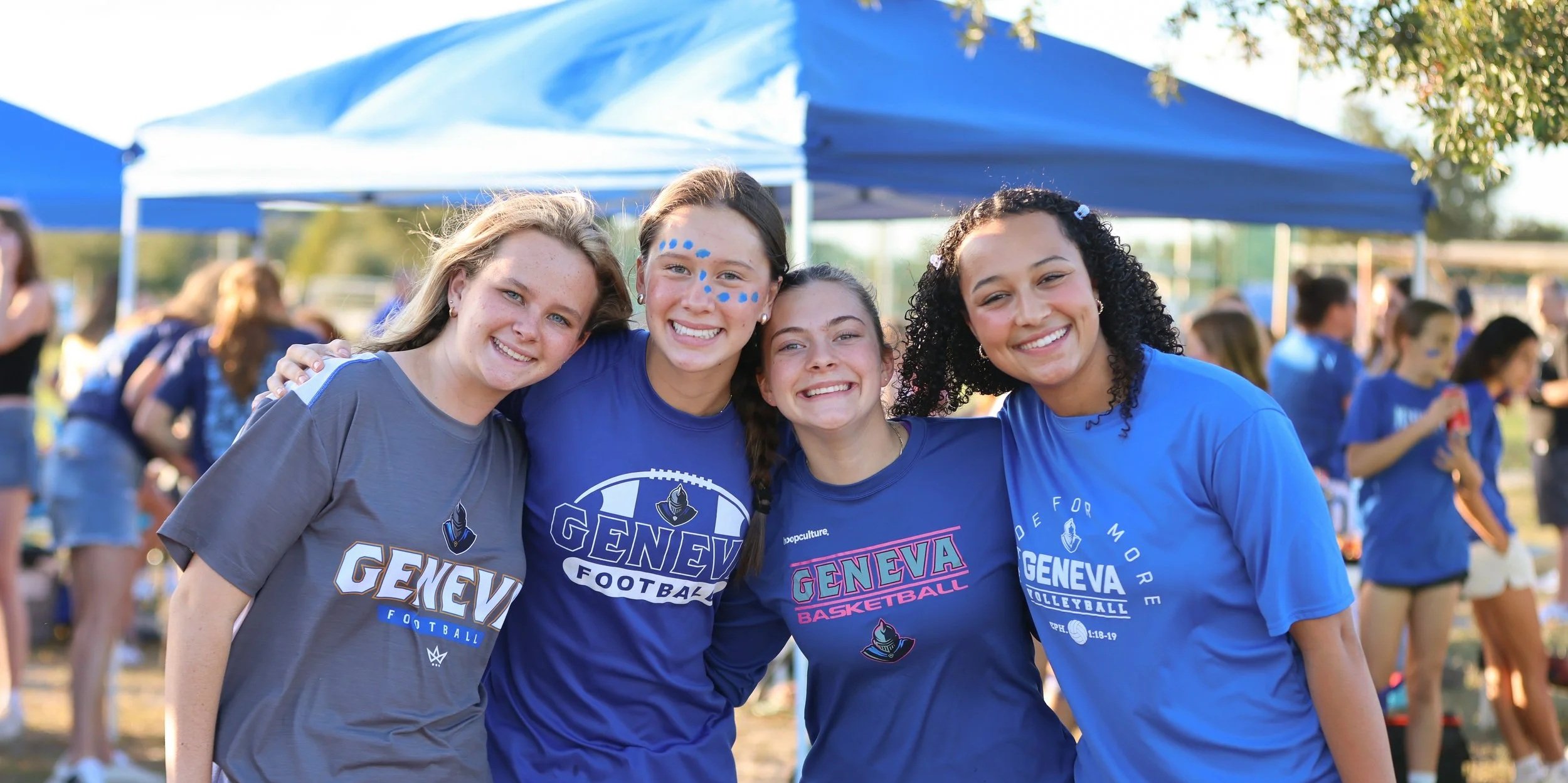
Athletes are encouraged to honor God through effort, attitude, and sportsmanship while striving for excellence with their abilities. The program seeks to reflect Christlike character even in competition, representing school, church, and family. While faith remains central, Geneva teams compete to win, demonstrating strong performance and growth. Many student athletes advance to collegiate sports in various disciplines. Alongside academic priorities, athletics provide students a meaningful way to develop their physical talents, character, and discipline while glorifying God.
Arts
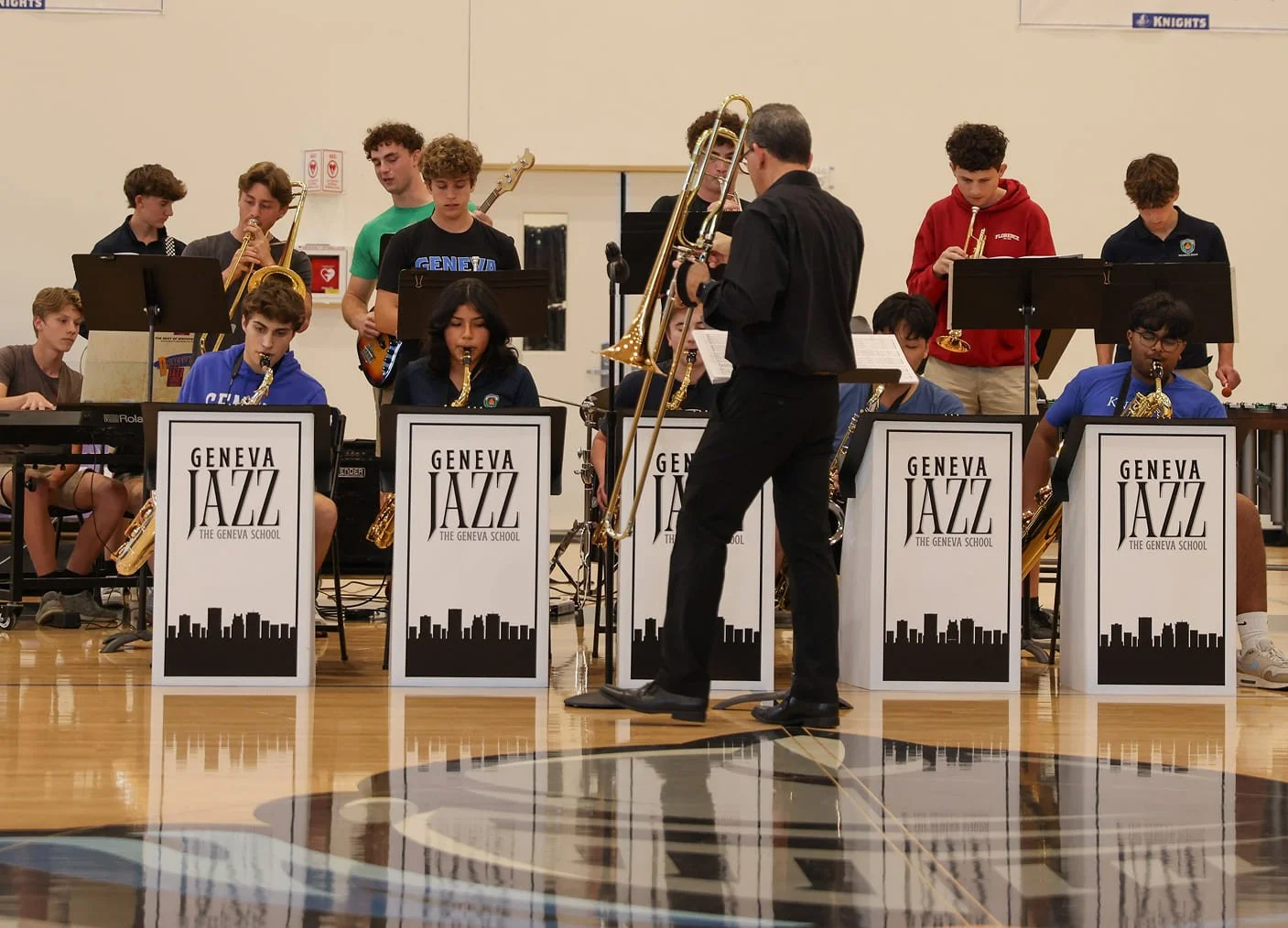
Geneva’s Christian classical education integrates fine and performing arts across all grade levels, fostering imagination, creativity, and a complete education.
Students engage in music, visual arts, drama, and more from early years through high school, with advanced elective opportunities in rhetoric school. Subjects such as AP Music Theory, studio art, choir, instrumental music, photography, drama, and journalism develop technical skills, creativity, and discipline. Programs emphasize collaboration, artistic integrity, and personal expression while reflecting faith and community values. Through performances, portfolios, and publications, students grow in mastery, critical thinking, and appreciation for beauty, preparing them for further study and meaningful artistic contribution.
Traditions & Events
Geneva’s numerous traditions and events provide students with experiences that complement and enhance the school’s Christian classical education.
-
The Geneva’s house system promotes student culture among our 9th–12th grade students. Rising 9th graders (or incoming students in 9th grade or above) are placed into one of four houses where they remain until graduation. By combining students across grade levels, the house system supports both unity and diversity as well as affords opportunities for leadership and mentorship. Houses compete against each other in events like field days where houses earn point toward claiming the annual House Cup.
-
Students and faculty gather weekly for chapel. This time includes student-led music, testimonies, liturgical elements, and a scriptural message. The purpose of chapel is threefold: to worship our God, to build our faith, and nurture our community.
-
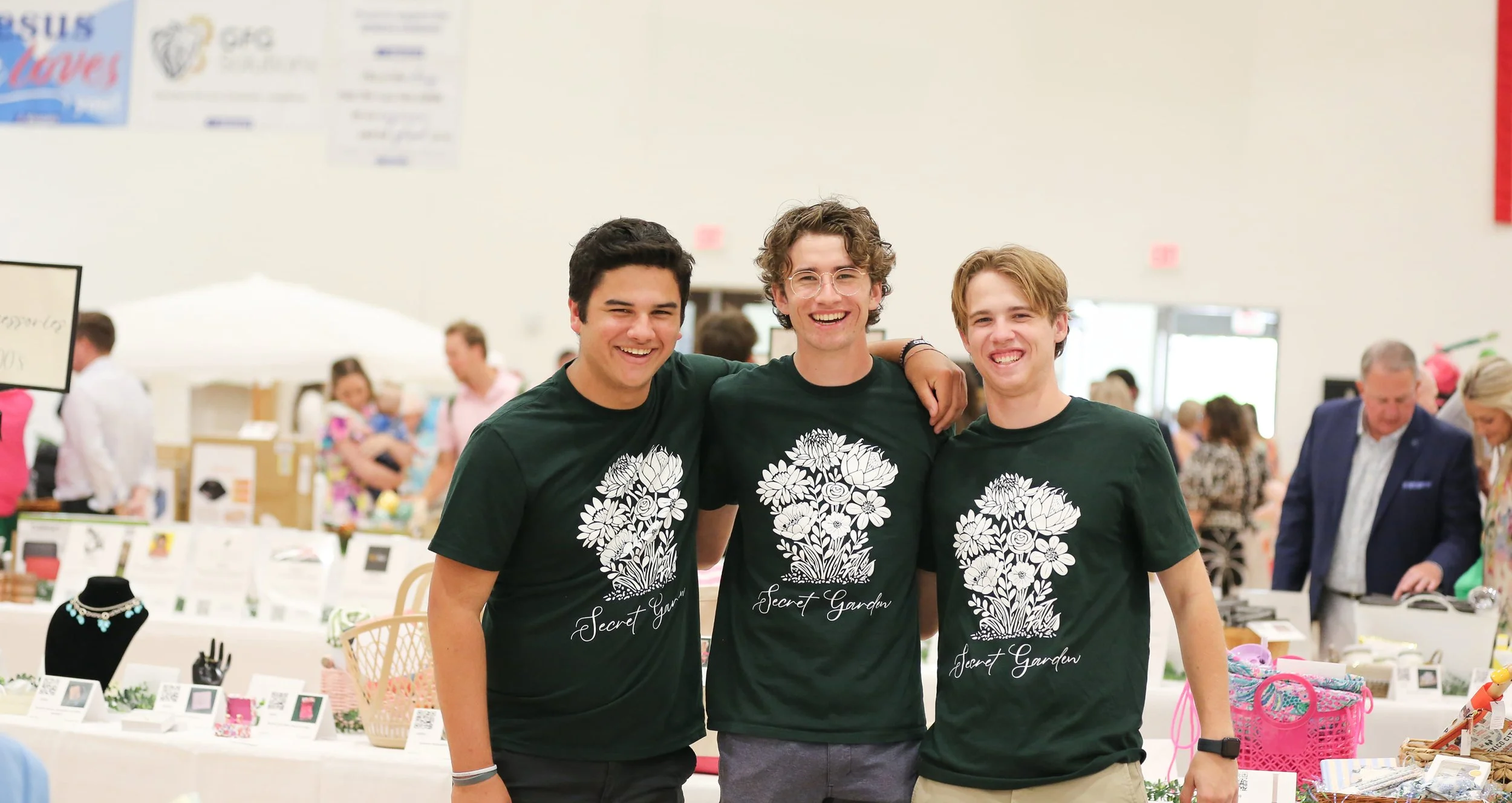
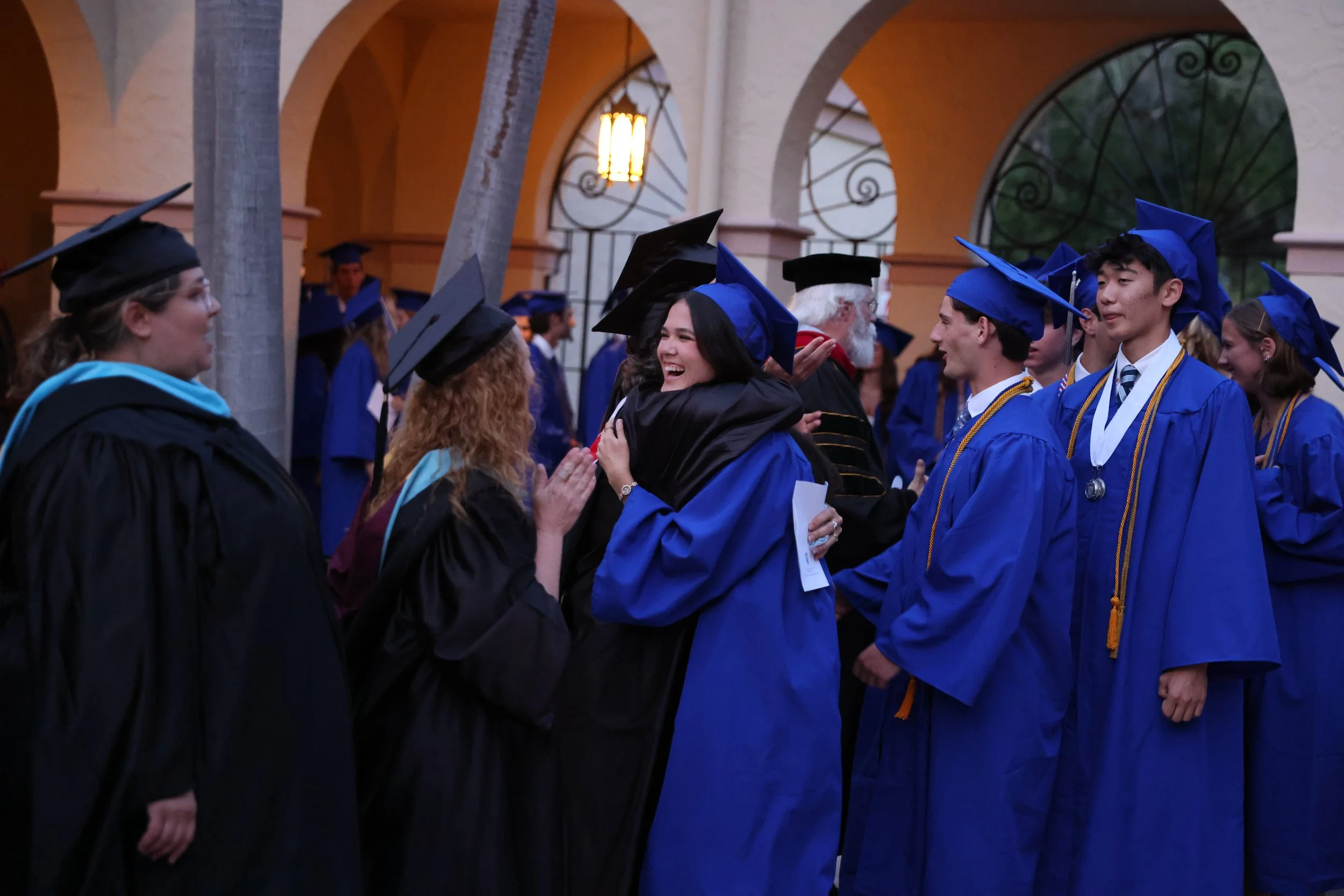
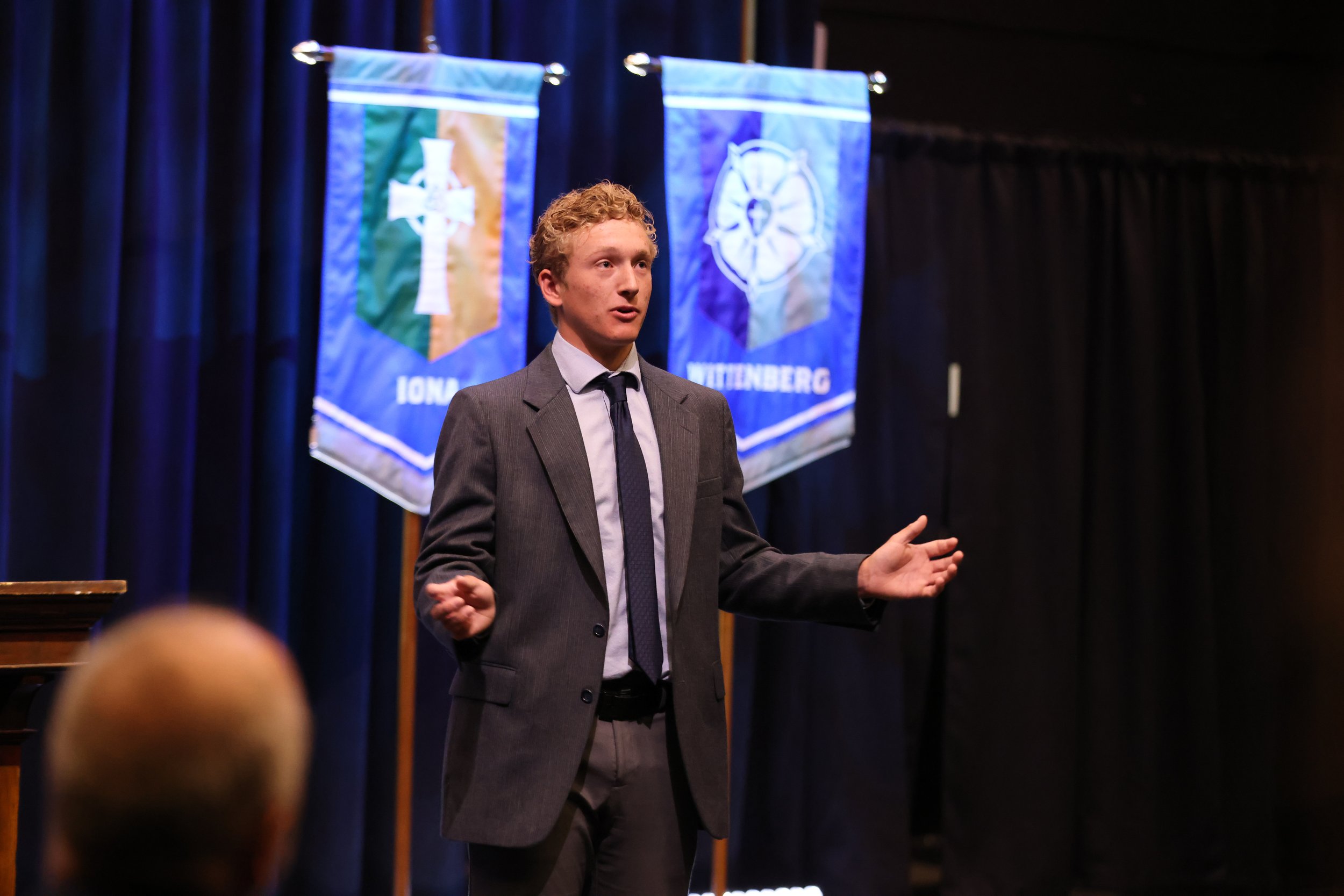
Geneva’s Capstone Thesis program is a yearlong project in which each senior develops a well-researched argument on a contemporary issue of their choosing. The thesis follows a classical structure and is presented and defended before faculty, parents, and peers at the end of the year. Each senior is supported by a faculty mentor who provides guidance, feedback on multiple drafts, and encouragement. However, the final thesis reflects the student’s own views, not those of the school or its staff. The Capstone Thesis Award is a $750 scholarship given to the student whose thesis epitomizes the scholarly and rhetorical qualities we seek to foster through the thesis program: thorough research, knowledgeable inquiry, persuasive writing, and cogent and thoughtful speech.
-
After sporting events, Geneva students and community members join to sing the school’s Alma Mater: Grace to you, Geneva. Praise him in all that you do. Love beauty and think deeply, Christ’s calling to pursue. And to God be the glory. Forever keep shining bright. And may God bless Geneva with him as our shining light.
-
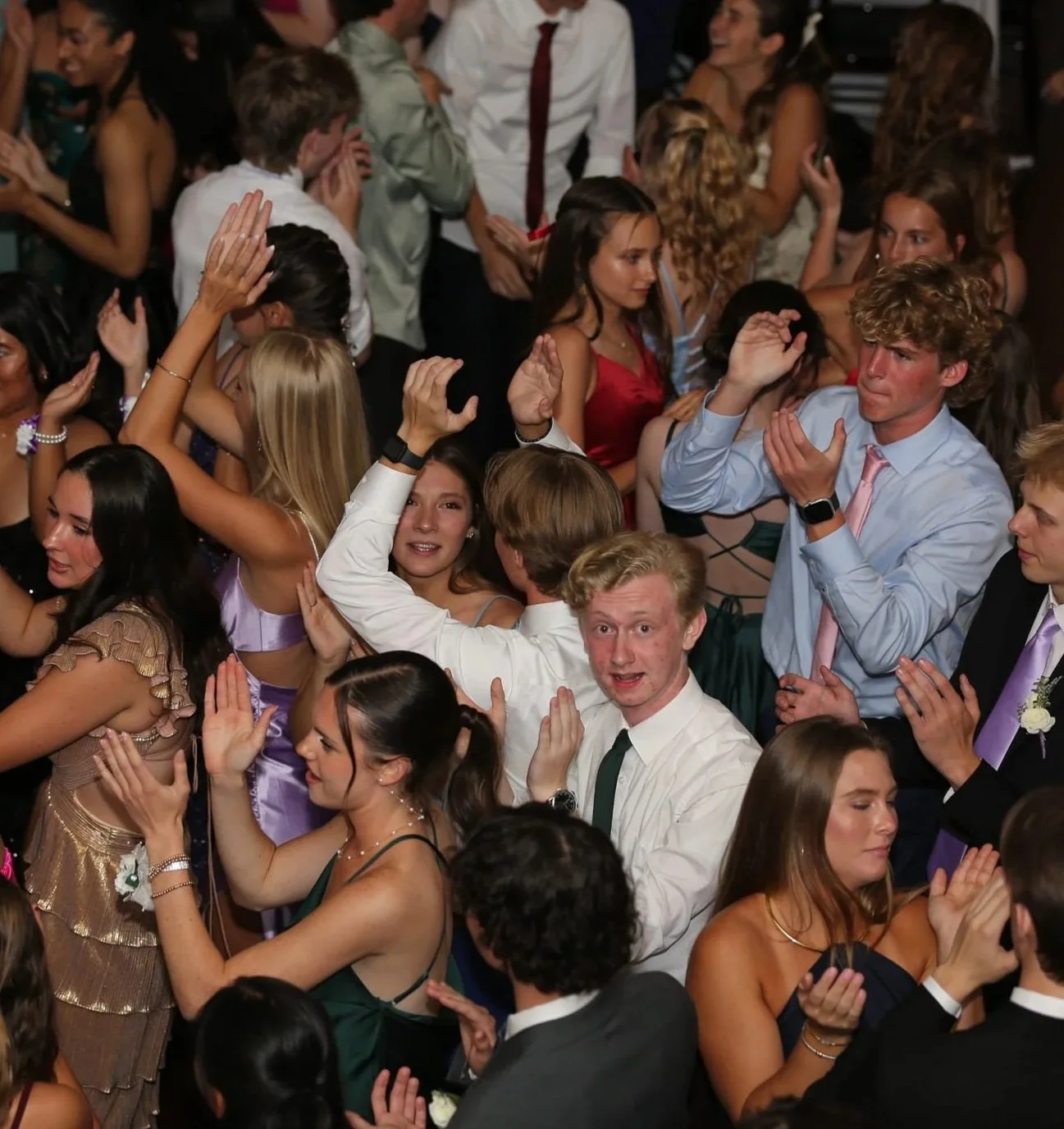
Dances
Homecoming: Each fall, we take a week to celebrate Homecoming Spirit Week. Throughout the week, students participate in themed spirit dress days and special events. The week culminates with the homecoming football game and the homecoming dance. At the halftime of the football game, we recognize alumni and the homecoming court
Spring Formal: The Rhetoric Spring Formal is a rhetoric school event that begins with a dinner for juniors and seniors. After the dinner, juniors present prepared toasts in honor of each senior. Freshmen and sophomores join the festivities for the dance portion of the program.
The Dungeon: At home games, students gather in the Dungeon, a section of the stands, where they cheer on our teams. Select home games are designated as marquee events where students earn house points for participating.
Thanksgiving Feast: The upper school student body gathers for an annual feast hosted by our Geneva parents.
Christmas Concert: Students in choir, guitar, band, and orchestra perform for the community in a beautiful and worshipful concert.
Annual Arts Festival: Students rotate through a showcase of the arts at Geneva. An inspirational and joyful celebration of the arts.
Christmas Pageant: Every December, male students compete in a spoof of beauty pageants in order to earn the coveted title of Mr. Christmas.
Pancake Breakfast & Field Day: Each spring, 9th–12th graders enjoy a pancake breakfast followed by a spirited field day where houses compete to see who comes out on top.
Buff-Puff & Powder-Puff: This end-of-year event pits the juniors against the seniors in boys volleyball and girls flag football. It is an exciting evening of fellowship and competition.
How Rhetoric Students Practice Thinking
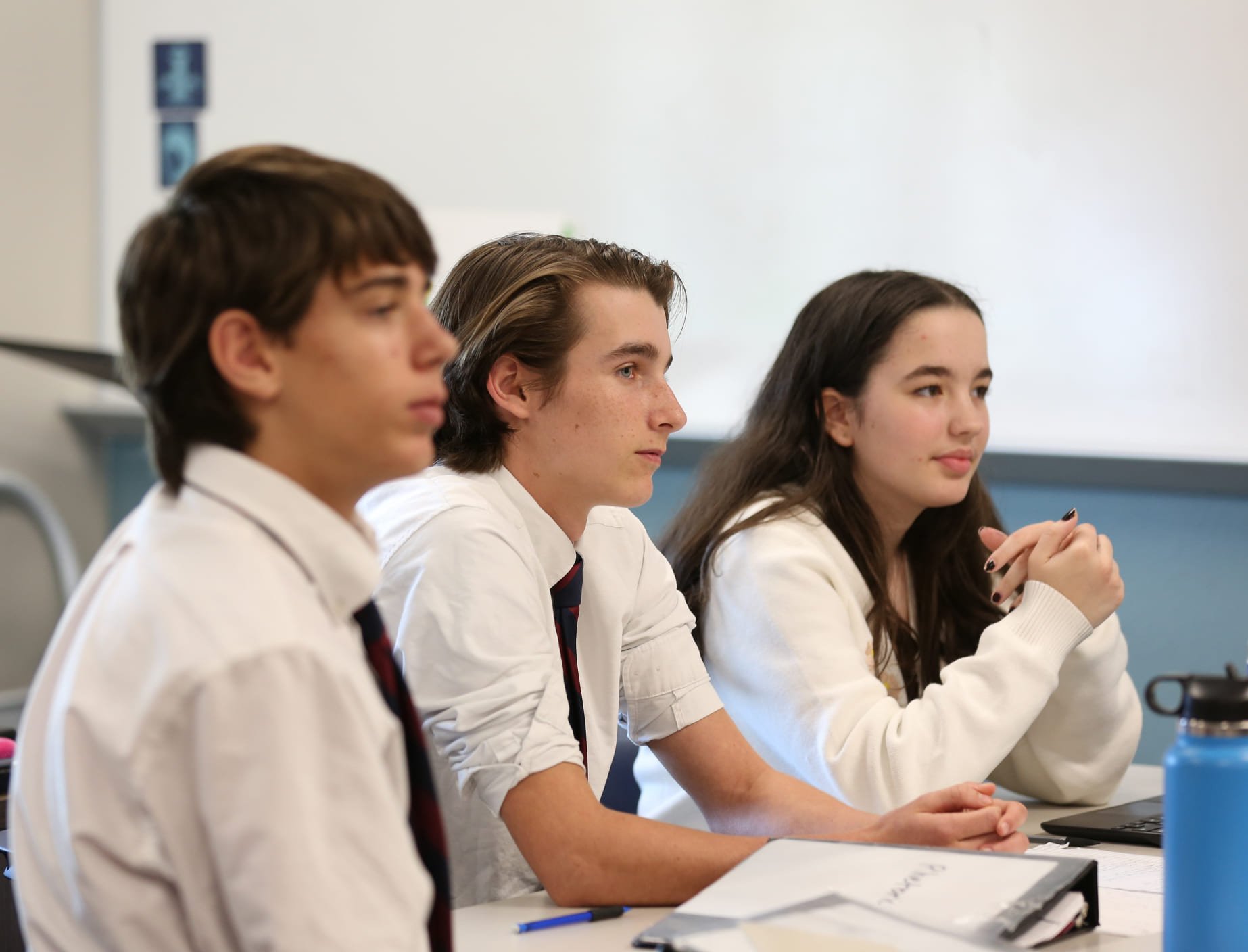
Students in the rhetoric school are old enough to understand that life is not simplistic.
It is filled with complexity, nuance, and variation. They are ready to engage in deeper thinking and want to express their thoughts with accurate analysis and interesting style. They desire to participate in activities that are meaningful and productive. The Christian liberal arts model of education meets the students where they are and propels them forward by firing their minds and imaginations, setting them on course for a lifetime of learning.
Built with the Finish Line in Mind
At Geneva, we take a backward-designed approach with our curriculum, beginning with graduated seniors in mind.
What skills and ideas should they have?
What books should they have read?
What theories should they understand?
What experiences should they have?
What should they love and desire?
Answering those questions gives our curriculum intentionality and continuity, starting with K4 and becoming more detailed and specific in the 9th grade. Through increased Socratic dialogue, studying original source material, and reading broadly through the Great Books, students are prepared for their culminating year of 12th grade. In 12th grade, our students write and present a thesis on a topic of their choosing that is built on skills of good argumentation about real world issues that can be supported theologically.
Faculty & Mentorship
Our teachers are abundantly talented and have a deep conviction about teaching as a vocation.
Sixty-one percent of the upper school faculty have an advanced degree (MA, MS, DMin, or PhD). There is an atmosphere among the faculty of passion for their disciplines and personal care for their students. They understand that they are training students for service in God’s kingdom, no matter their vocation. This happens through relational teaching, where highly trained educators serve as models and mentors of faithful thought and practice as Christians.
Capstone Thesis Program
At Geneva, the study of words and rhetoric is central to students’ intellectual and moral formation.
As they grow in wisdom and virtue, students learn that eloquent speech holds significant power and must be used responsibly. In their senior year, they focus on deliberative rhetoric, which aims to persuade audiences toward actions that are good and appropriate. Students are trained to think critically, take clear positions, and carefully engage with opposing viewpoints.
This training culminates in the Capstone Thesis, a major project in which each student develops a well-researched argument on a contemporary issue. The thesis follows a classical structure and is presented and defended before faculty, parents, and peers. Throughout the year, students deepen their understanding by conducting research, visiting libraries, reflecting on sources, interviewing experts, and participating in discussions with teachers and classmates. They ultimately present their findings and propose thoughtful solutions, tailored to a specific audience.
Students choose their topics from a wide array of subject areas including education, religion, politics, science, public health, the arts, sports, psychology, technology, public policy, and more. Each student is supported by a faculty mentor who provides guidance, feedback on multiple drafts, and encouragement. However, the final thesis reflects the student’s own views, not those of the school or its staff. To succeed, students must develop key skills such as careful research, clear writing, time management, openness to feedback, and a strong commitment to truth. Beyond academic preparation, the Capstone Thesis is intended to inspire a lasting desire to contribute positively to the world, guided by a love for God and his creation.
-

Grammar
K4–6th Grade
-
Dialectic
7th–8th Grade
-
Rhetoric
9th–12th Grade
The Trivium
Geneva’s Christian Classical Education Model
Rhetoric School Curriculum
The courses in the rhetoric school are all focused on training students to speak and write with eloquence and conviction. Relying on the skills of grammar and dialectic built in prior years, rhetoric students engage the great books and ideas of Western civilization through a purposefully designed curriculum—integrated across every subject and aimed at forming graduates who are prepared to think clearly and live faithfully.

Ready to learn more?
We look forward to hosting you for a tour.